
laminated glass partition
Understanding the 1 Way Check Valve A Vital Component in Fluid Control Systems A 1 way check valve, also known as a unidirectional valve or non-return valve, plays a crucial role in various fluid control systems. This ingeniously designed component is primarily used to allow fluid flow in one direction while preventing it from flowing back in the opposite direction. Its functionality is critical for maintaining system integrity and preventing backflow, which can lead to contamination, equipment damage, or even system failure. The '1 way' in the term refers to the valve's single port design, meaning it has one inlet and one outlet. Unlike a two-way valve that allows fluid to flow in both directions, a 1 way check valve ensures a unidirectional flow. The valve opens when the fluid pressure exceeds a certain threshold, allowing the fluid to pass through. Once the flow direction reverses, the valve automatically closes, thereby preventing backflow. The operation of a 1 way check valve is based on a simple yet effective mechanism. It typically consists of a valve body, a spring, and a disc or a ball. When fluid flows in the intended direction, it pushes the disc or ball against the force of the spring, opening the valve. Conversely, when the flow attempts to reverse, the spring's force keeps the valve closed, stopping the fluid from flowing back Conversely, when the flow attempts to reverse, the spring's force keeps the valve closed, stopping the fluid from flowing back Conversely, when the flow attempts to reverse, the spring's force keeps the valve closed, stopping the fluid from flowing back Conversely, when the flow attempts to reverse, the spring's force keeps the valve closed, stopping the fluid from flowing back 1 way check valve . These valves find applications in a myriad of industries, including oil and gas, chemical processing, water treatment, and pharmaceuticals. They are often installed in pumps to prevent pump cavitation, in pipelines to protect against backpressure, and in pressure vessels to maintain system pressure. One of the key advantages of the 1 way check valve is its simplicity. Its straightforward design makes it less prone to malfunction and easier to maintain compared to more complex valve designs. However, it is essential to choose the right type of check valve based on the specific application requirements, such as fluid properties, pressure ratings, and flow rates. In conclusion, the 1 way check valve is an indispensable element in fluid control systems, ensuring the safe and efficient flow of fluids. Its ability to prevent backflow not only safeguards the system but also contributes to process reliability and longevity. Despite its seemingly simple function, the role it plays in maintaining system integrity cannot be overstated. As technology advances, we can expect further innovation in the design and materials of these valves, enhancing their performance and suitability for diverse industrial applications.
about
laminated glass partition
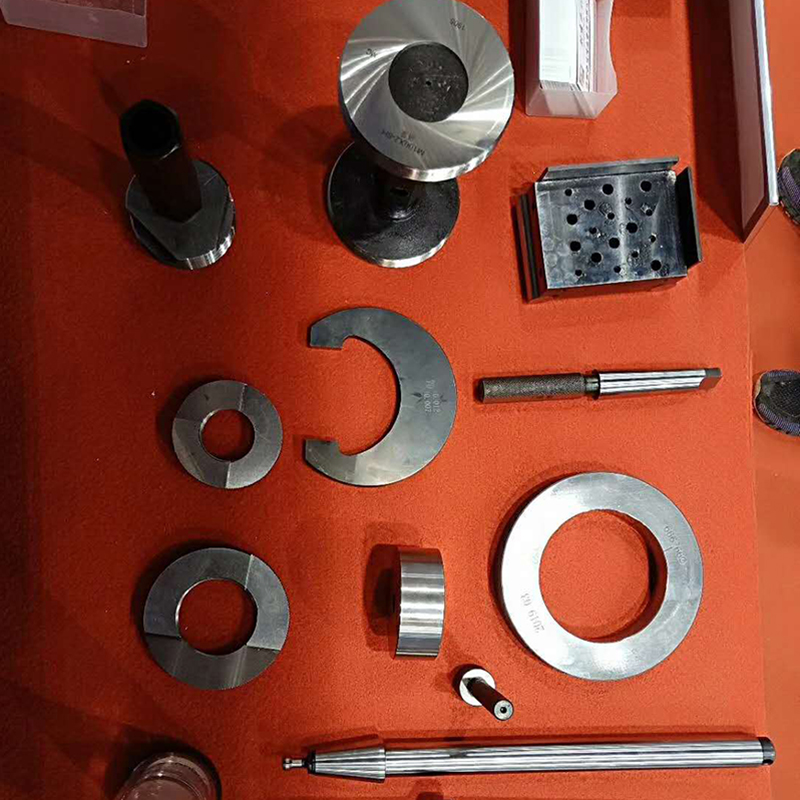
Understanding Snap-On Cylinder Bore Gauges A Comprehensive Guide When it comes to precision measurement in the automotive and mechanical engineering fields, few tools are as invaluable as the snap-on cylinder bore gauge. This precision instrument is designed to measure the diameter of cylindrical bores, such as those found in engine cylinders, ensuring that they meet manufacturer specifications for optimal performance. In this article, we will explore the functions, benefits, and best practices associated with using a snap-on cylinder bore gauge, aiming to enhance your understanding of this essential tool. What is a Snap-On Cylinder Bore Gauge? A snap-on cylinder bore gauge is a specialized tool used to measure the internal diameter of engine cylinders and other cylindrical components. Typically featuring a handle, a measuring probe, and an adjustable arm, these gauges allow the user to accurately assess the size and roundness of a bore. This is critical for ensuring proper fitment of pistons and piston rings, as any deviation from the specified diameter can lead to poor engine performance, excessive wear, and ultimately, engine failure. How Does It Work? The gauge operates using a simple principle it expands to fit the bore and then measures the distance from one side to the other. To use the gauge effectively, the operator will 1. Insert the Gauge The measuring probe is inserted into the bore to the desired depth. 2. Expand the Gauge The adjustable arm is then extended until it lightly contacts the bore wall. 3. Read the Measurement The measurement is taken from the calibrated scale, which provides an accurate reading of the bore's diameter. Calibration is crucial for ensuring precise readings, and many snap-on bore gauges have either mechanical or digital displays to facilitate ease of reading. Benefits of Using a Snap-On Cylinder Bore Gauge 1. Precision The primary advantage of a snap-on cylinder bore gauge is its ability to provide highly accurate measurements . This precision is critical in engine rebuilding and manufacturing processes, where tolerances are often measured in thousandths of an inch. snap on cylinder bore gauge 2. Durability Snap-on tools, known for their quality, are built to withstand the rigors of daily use in automotive and industrial settings. The durability of the materials used ensures that the gauge will maintain its accuracy over time, following proper usage and maintenance protocols. 3. Ease of Use With minimal training, users can quickly learn how to operate the gauge effectively. The intuitive design allows both seasoned mechanics and newcomers to benefit from accurate measurements without requiring an extensive learning curve. 4. Versatility While commonly used in automotive applications, snap-on cylinder bore gauges can also be used in various other industries, including aerospace, HVAC, and manufacturing where cylindrical measurements are necessary. Best Practices for Using a Snap-On Cylinder Bore Gauge To achieve the best results from your snap-on cylinder bore gauge, consider these best practices - Calibration Always calibrate your gauge before use to ensure accuracy. Regular calibration checks will help maintain the precision of your readings over time. - Cleanliness Keep both the gauge and the bore free from debris and contaminants to avoid inaccurate measurements. - Proper Technique Ensure that you insert the gauge straight and maintain contact lightly to avoid distorting the bore’s dimensions. - Document Measurements Always record measurements for future reference or adjustments, which aids in tracking wear or changes over time. Conclusion A snap-on cylinder bore gauge is an essential tool for anyone involved in automotive repair or precision engineering. Its combination of accuracy, durability, and ease of use makes it a valuable asset in maintaining the performance of cylindrical components. By understanding its functions and adhering to best practices, users can leverage this tool to achieve exceptional results in their projects, ultimately leading to enhanced performance and reliability in their mechanical systems.
-

High quality industrial productsagement

High quality industrial products
View Details -

Meet the diverse needs of customers

Meet the diverse needs of customers
View Details -

Strict quality control

Strict quality control
View Details -

Top raw materials

Top raw materials
View Details -

Trusted supplier

Trusted supplier
View Details
Our application


news and information
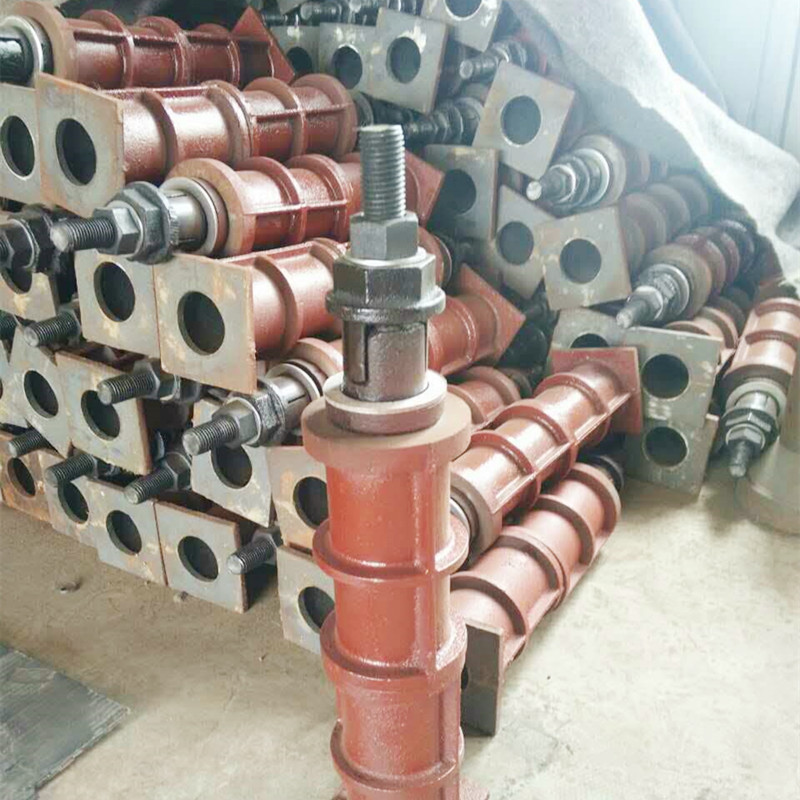
Utilizzo di barre d'acciaio nei lavori di costruzione di edifici e strutture
L'importanza delle barre d'acciaio nelle costruzioni edili Nel settore delle costruzioni, l'uso dell
Wood Fence Post Cap
Wood Fence Post Caps Enhancing the Beauty and Functionality of Your Outdoor Space A wood fence post
what is a water valve
Understanding Water Valves Their Role and Importance Water valves are essential components in plumbi
 English